If the preview does not load on your device (common on phones), use the button above to open the PDF in a new tab. The file is large, so it may take a moment.
CPD Questions: Early Enteral Feeding in Preterm Infants
Answer all 15 questions after reading the article. A minimum of 12 correct answers is required to pass.
1. According to the review, early enteral feeding is generally recommended to begin:
2. Which gastrointestinal change is associated with prolonged exclusive parenteral nutrition?
3. What was one of the reported benefits of advancing enteral feeds at 30–40 mL/kg/day?
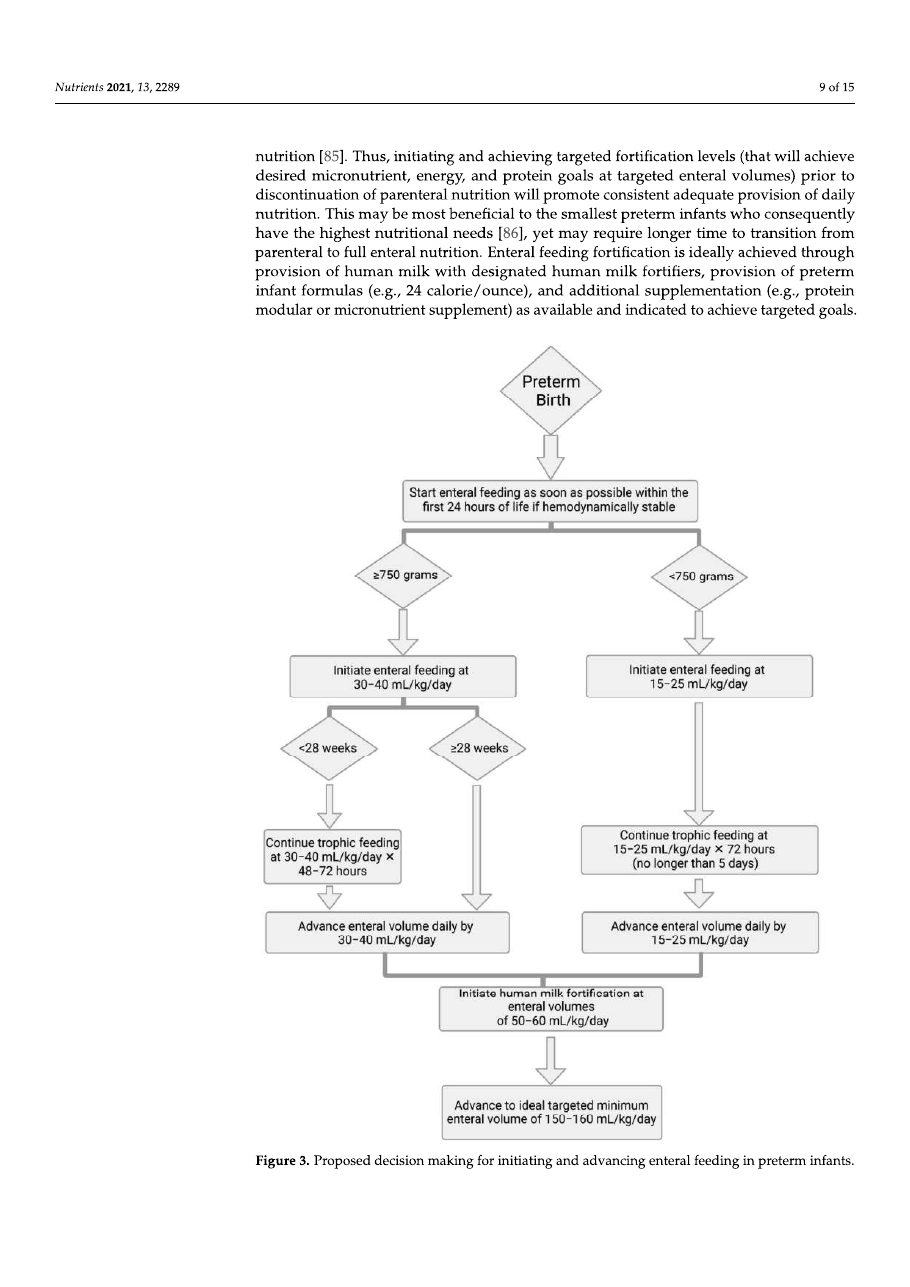
4. For infants weighing ≥ 750 g, human milk fortification is proposed to start when:
5. Which statement best describes the relationship between early enteral feeding and NEC?
6. What effect may early enteral feeding have on the intestinal microbiome?
7. Which of the following statements does not agree with the Cochrane reviews cited in this article?
8. Which factor is identified as a barrier to initiating enteral feeds in preterm infants?
9. In the proposed feeding algorithm, enteral feeding in infants weighing less than 750 g can be initiated:
10. What was associated with increased brain volumes in the cerebellum and basal ganglia in the Coviello study?
11. Which of the following statements is not true:
12. Which statement best reflects the authors' recommendations regarding feeding during treatment of a patent ductus arteriosus (PDA)?
13. Which of the following statements is not true regarding the transition period from parenteral to enteral nutrition?
14. The best strategy to address the fear of the development of NEC with early enteral feeding is:
15. Which of the following best summarizes the authors' overall conclusion?